
Wahdat al-Wujud:
Unity of Being
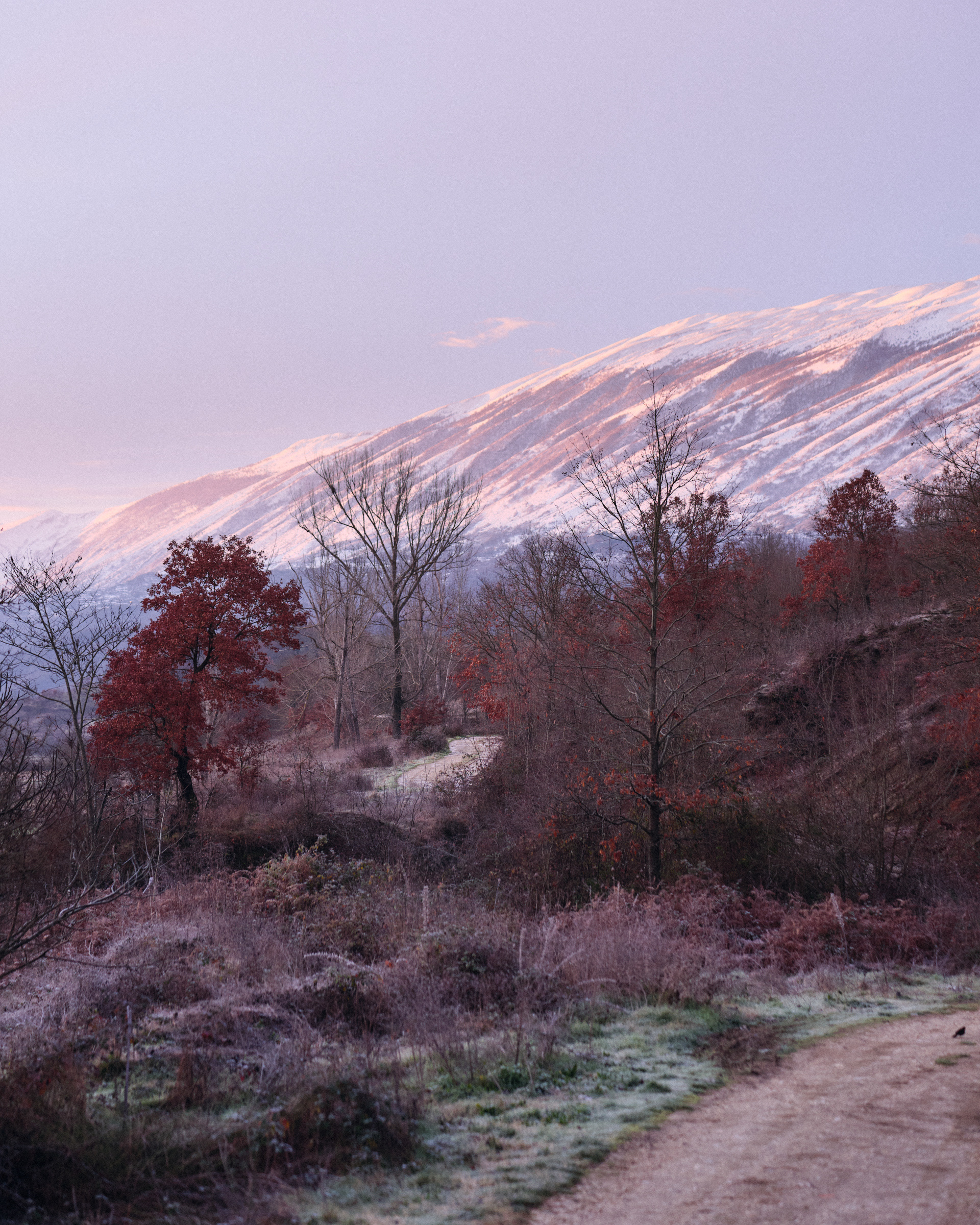
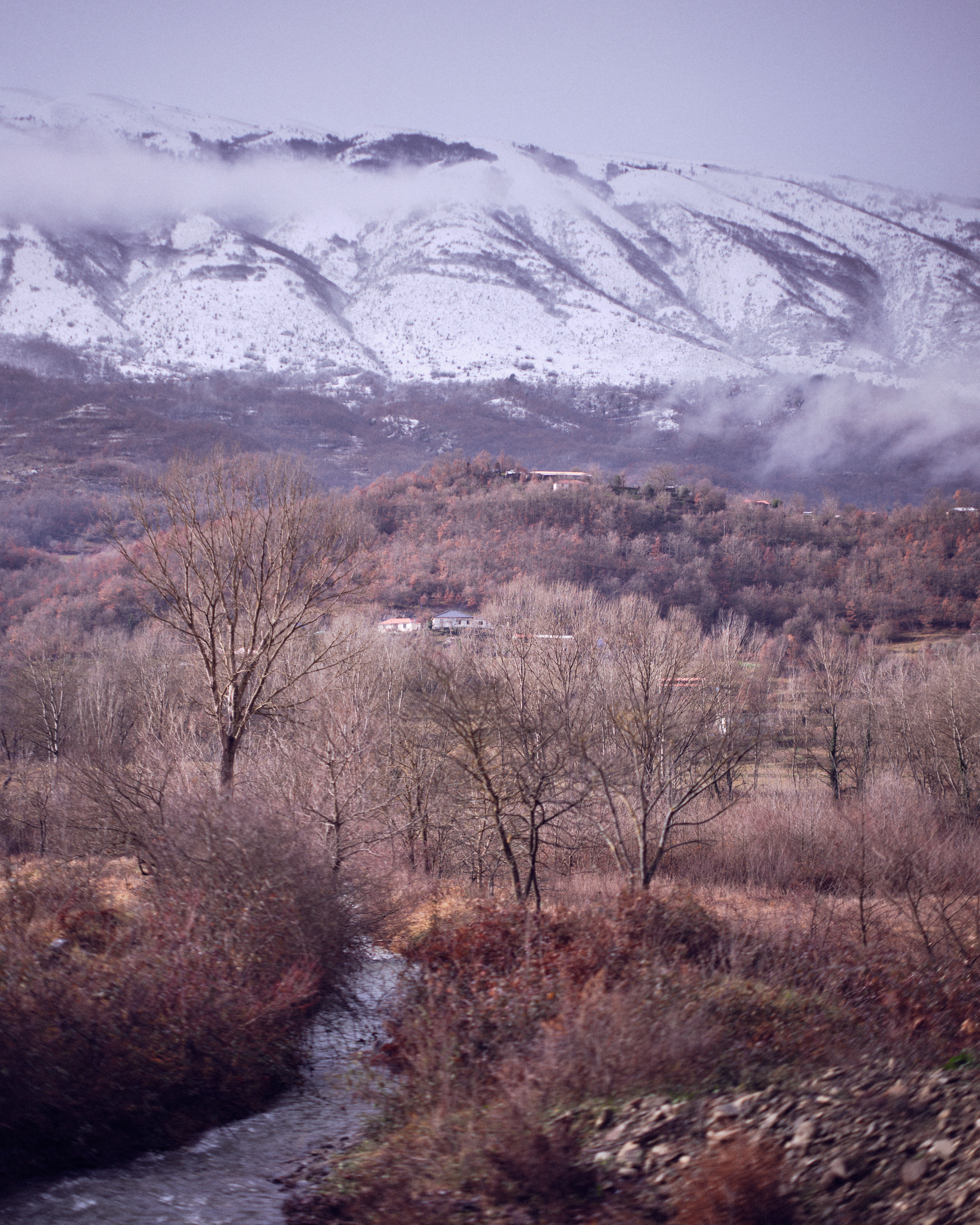
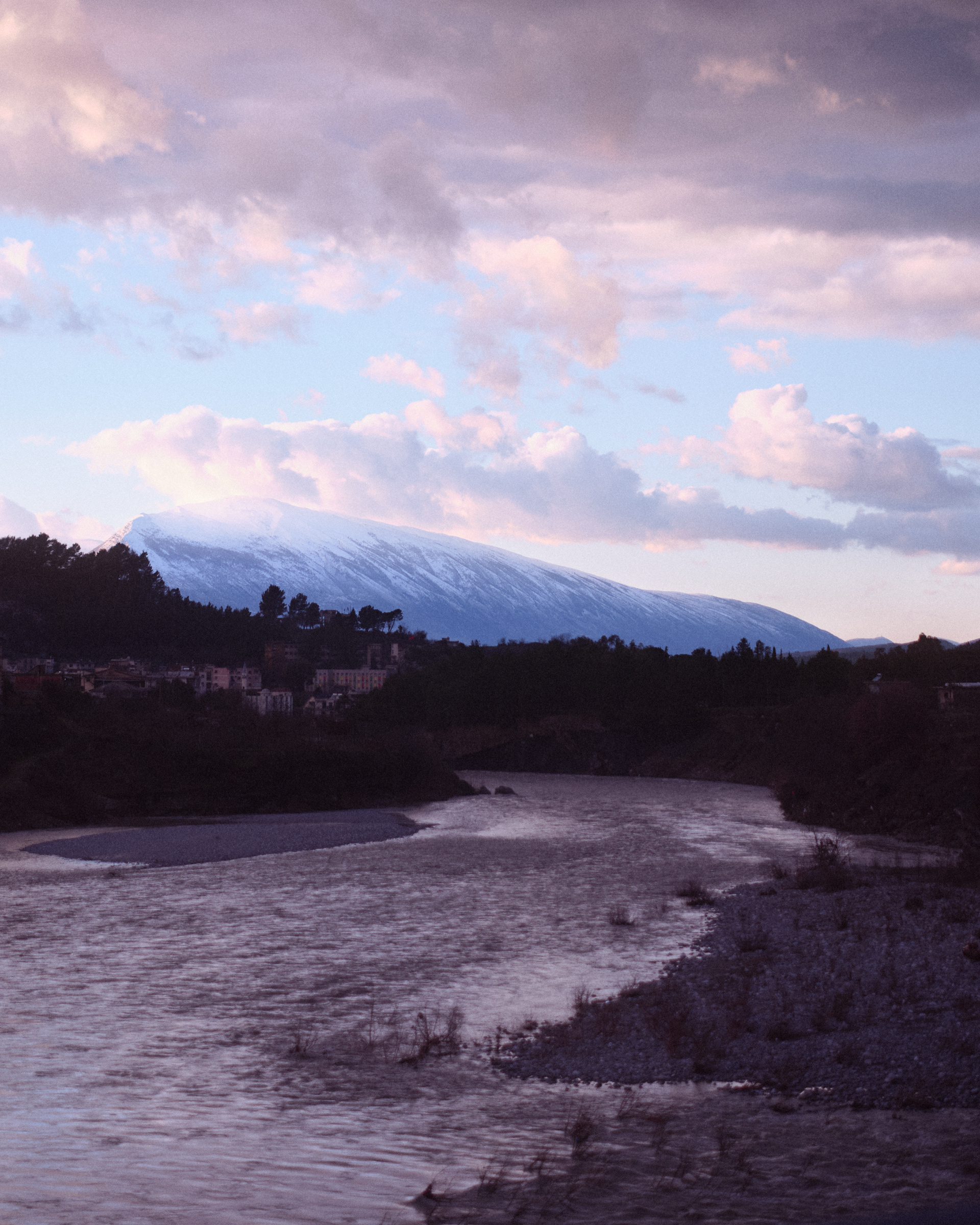
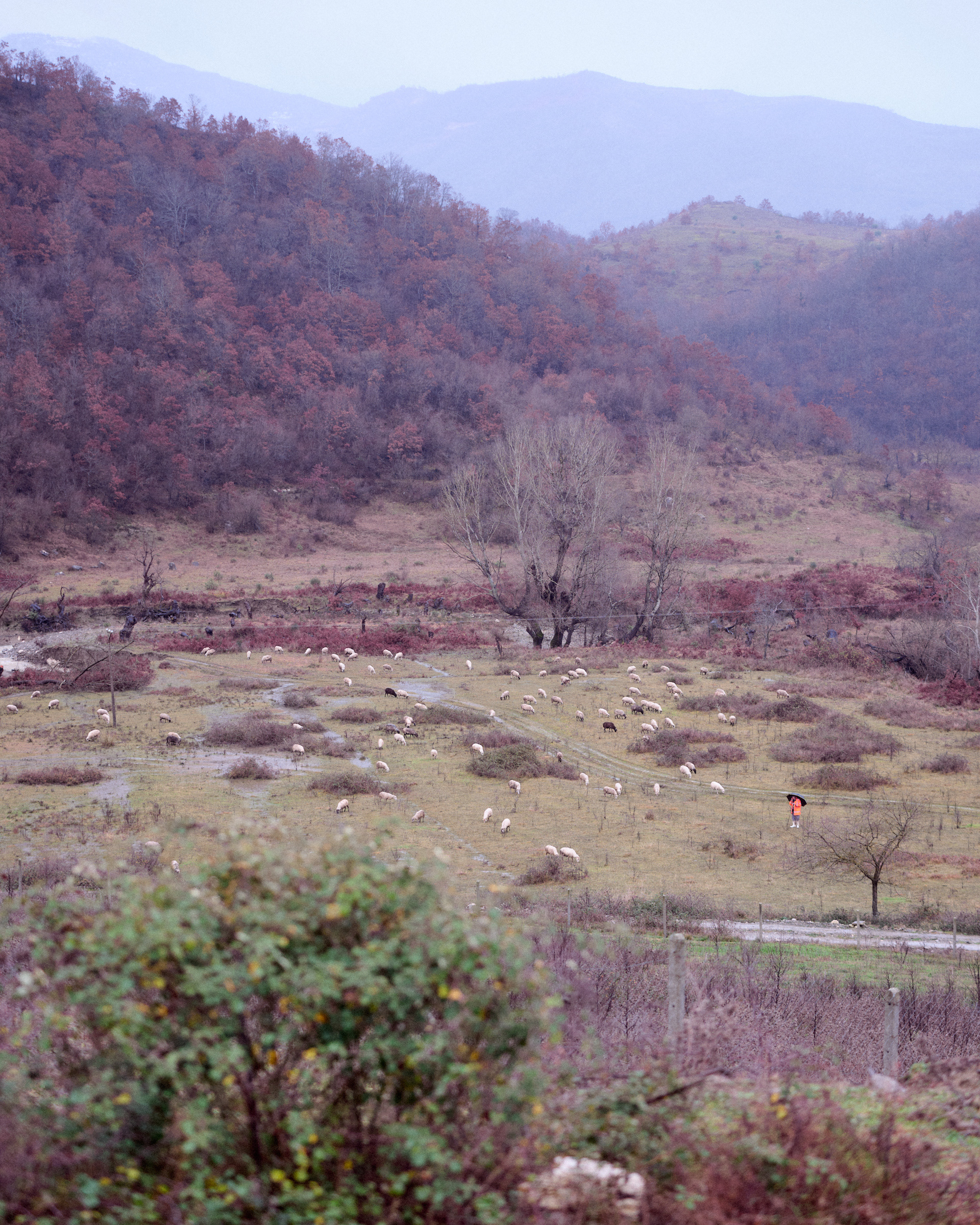
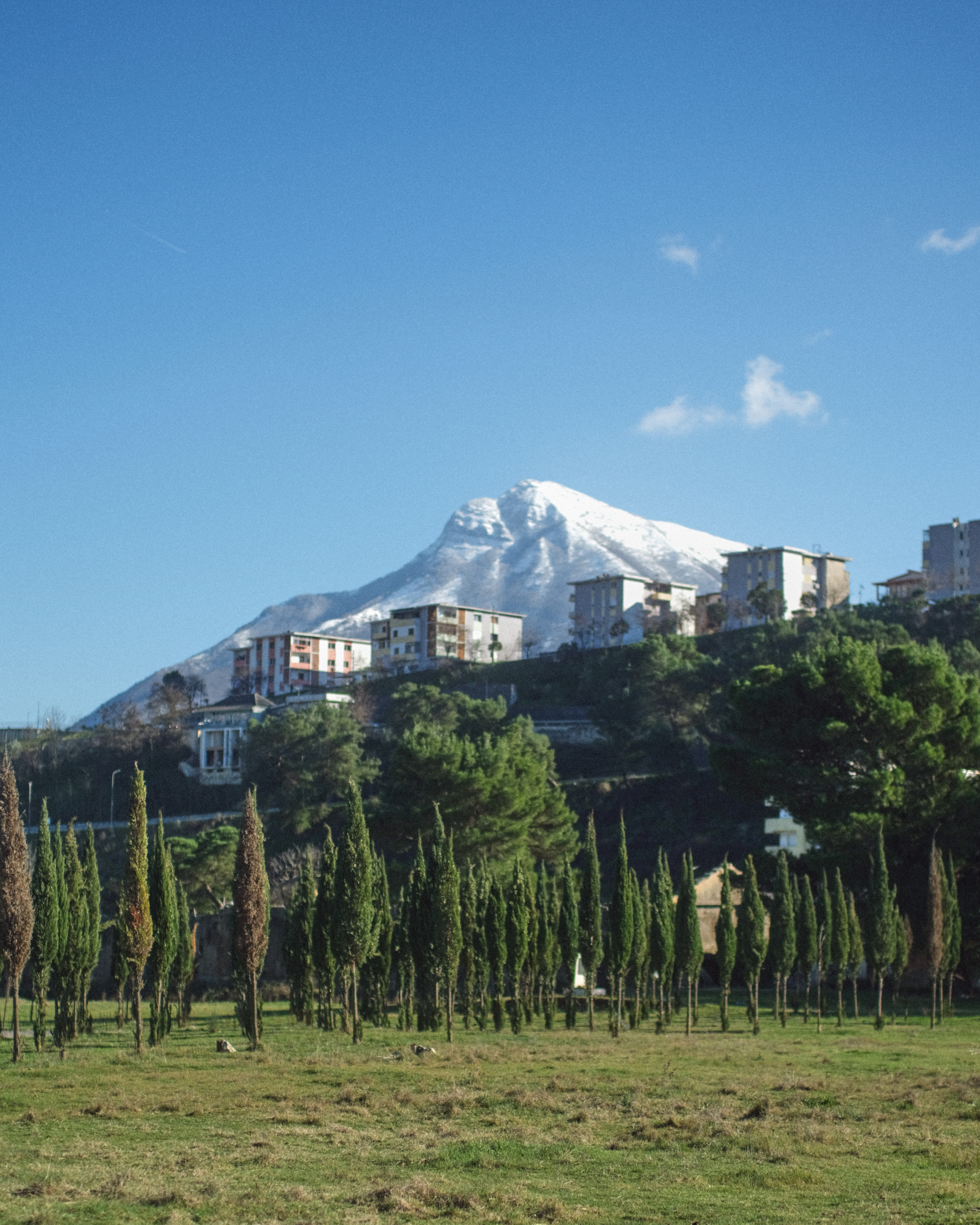
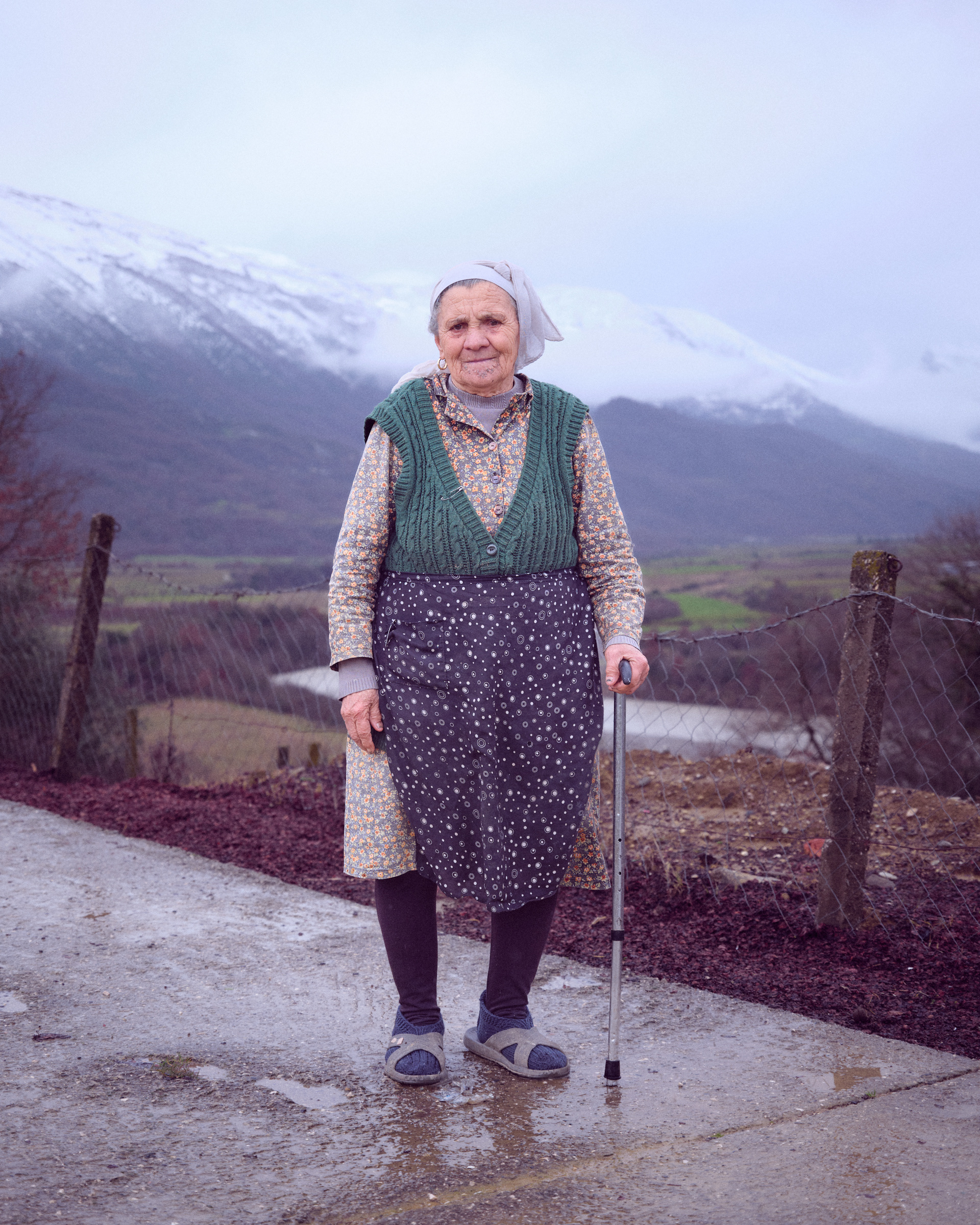
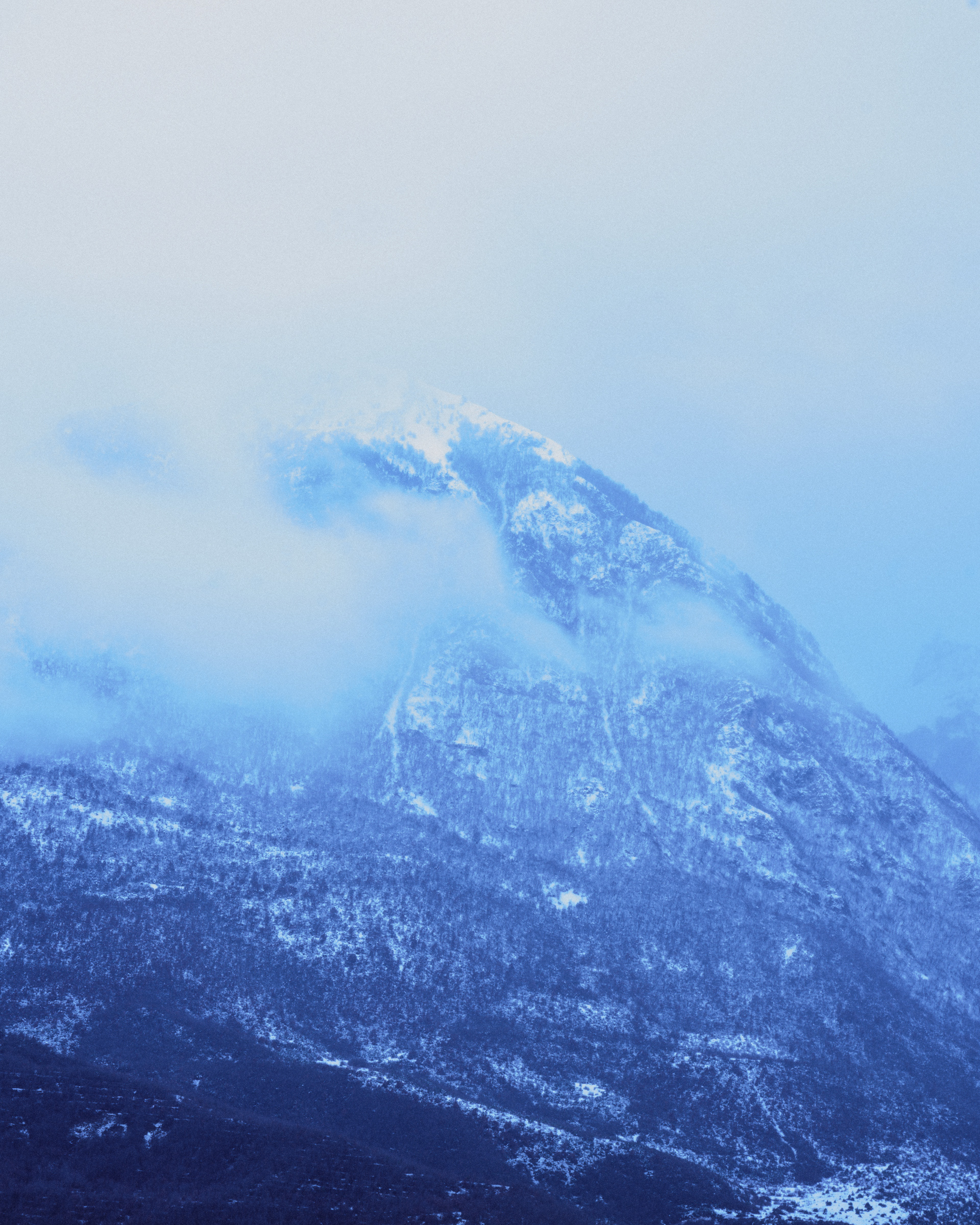
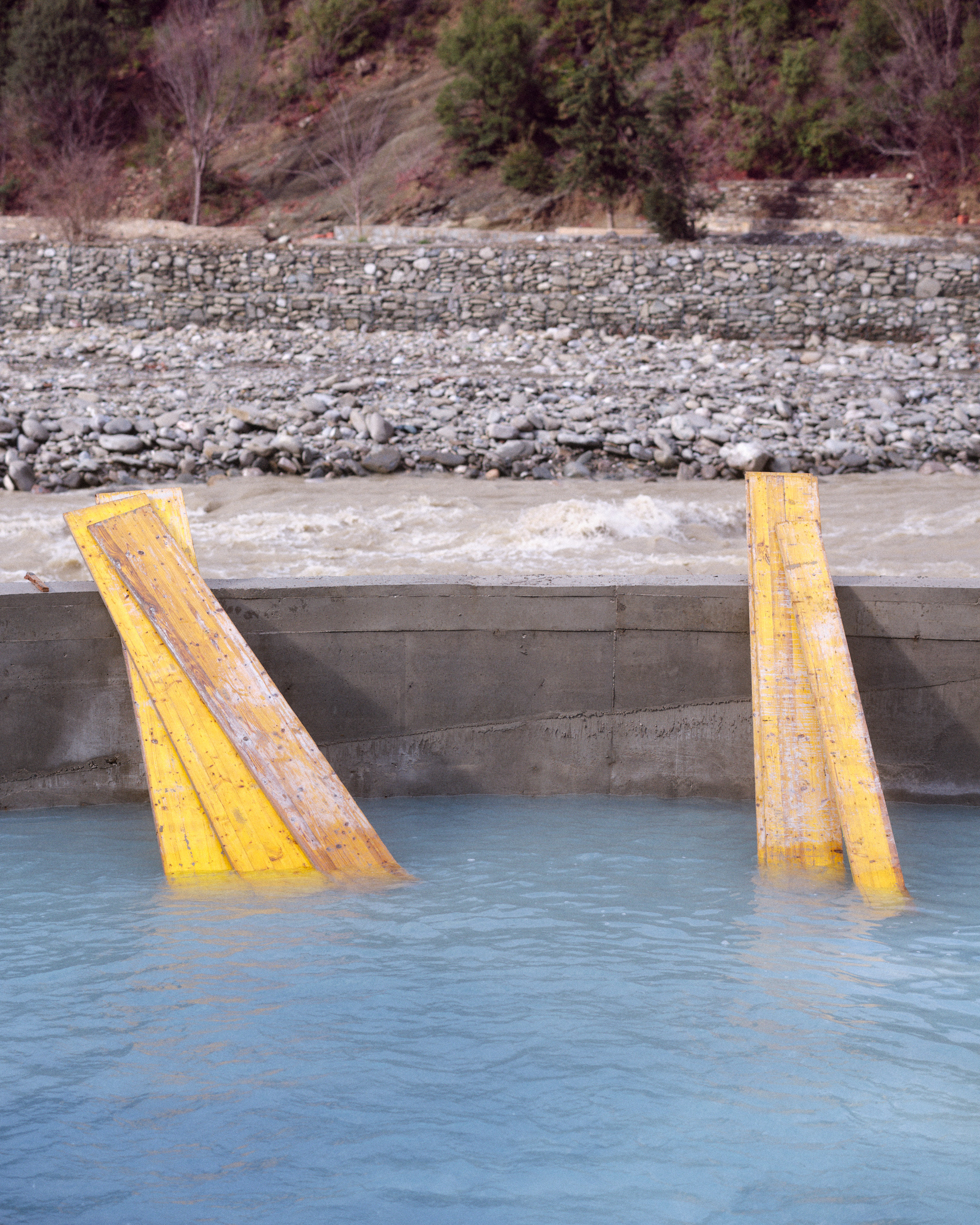
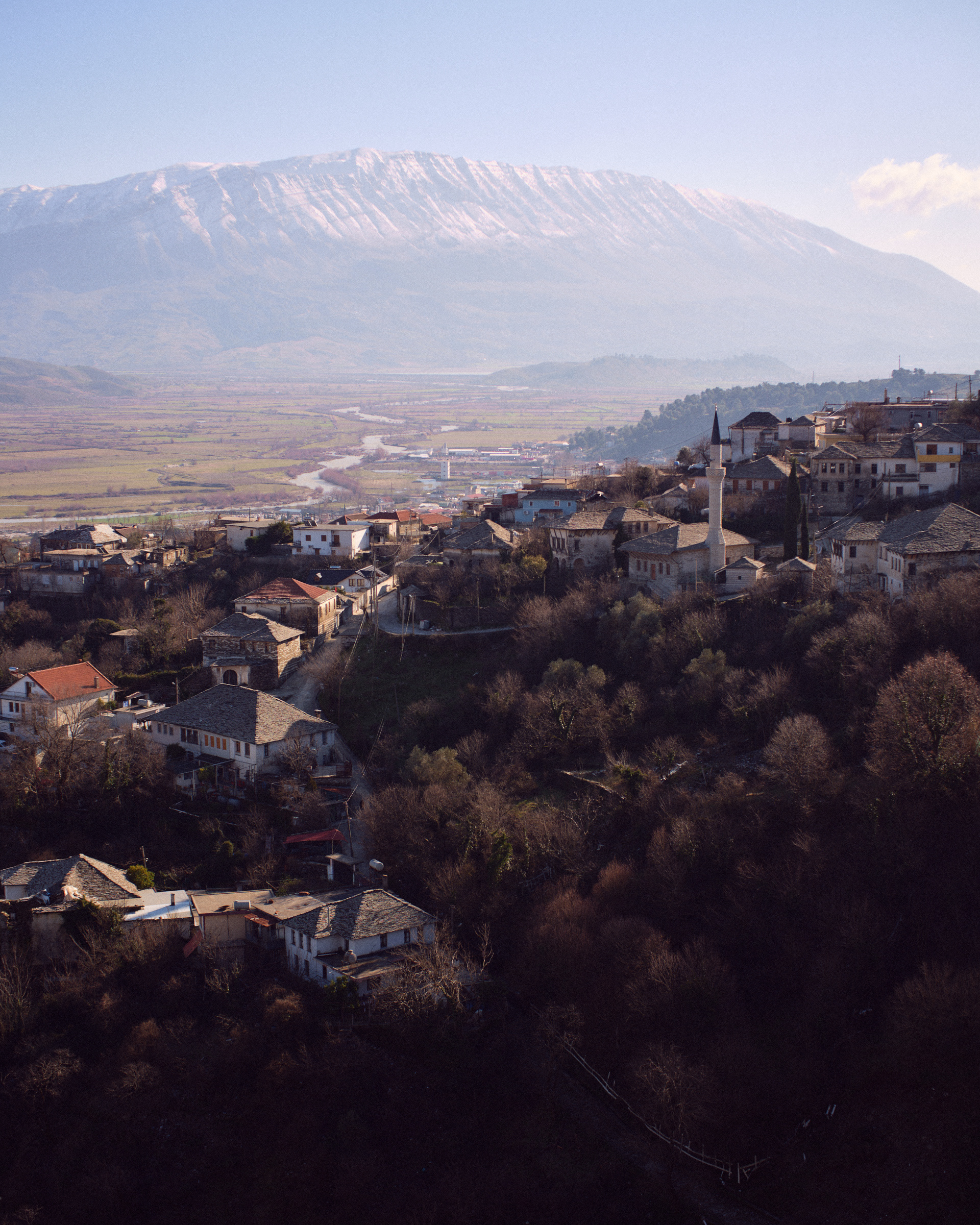
Driving south from Tirana, the snow-capped mountains began to swallow the horizon, pulling me deep into the throat of the Vjosa valley. Its hips burnt orange, shoulders hummed green. Heavy rains turned the river into a torrent - vast volumes of water forcing their way from limestone peak to the Adriatic Sea, running turbid and white-grey. Whirlpools moved in procession, birthed from her curves. Along the banks, the patient floodplains and pebble flats - sculpted by centuries of flooding - lay in hibernation.
Above, the sky was a theatre of movement: songbirds flocked in numbers rarely seen at home in England, while jays and raptors surveyed the expanse from the skeletal fingers of leafless branches. South for the stratus, north for the cirrus, the peaks melted white into drifting clouds.
The Vjosa flows west from the Pindus Mountains in Greece, an uninterrupted artery through Albania into the Adriatic Sea via the Vjosë-Nartë Delta north of Velorë. On March 13, 2023, the Vjosa Wild River National Park was established, protecting the river and its four major tributaries: the Drino, Kardhiq, Bênça, and Shushica. This designation was a historic veto against forty plus slated hydropower projects that would have drowned these valleys, irreversibly changing the lives of those who inhabit them. In September 2025, the river was further recognised as a UNESCO Biosphere Reserve. Yet, as protections mount against the extraction of oil, bitumen, and gravel, skepticism remains. Many locals dub these "paper parks" - protections that exist in the ink of law, but struggle against the gravity of reality.
I stayed on Elona’s farm, north of the valley, Ferma Albanik. Beautiful, calm, cold. Elona spoke of the river not as a resource, but as a sovereign entity. She told me how the Vjosa’s sheer power had historically deemed dam projects unviable, but as technology advanced, the river realised she needed to enlist human voices to amplify her own.
The resistance was feminine. A group of local women began to watch, taking notes and sharing information on the engineers surveying their land. A campaign ignited, a petition circulated, and eventually, 120,000 signatures gathered from across the globe. Patagonia joined the fray; Leonardo DiCaprio, Riverwatch, EuroNatur and EcoAlbania lent their weight. The political will finally shifted. The park was born.
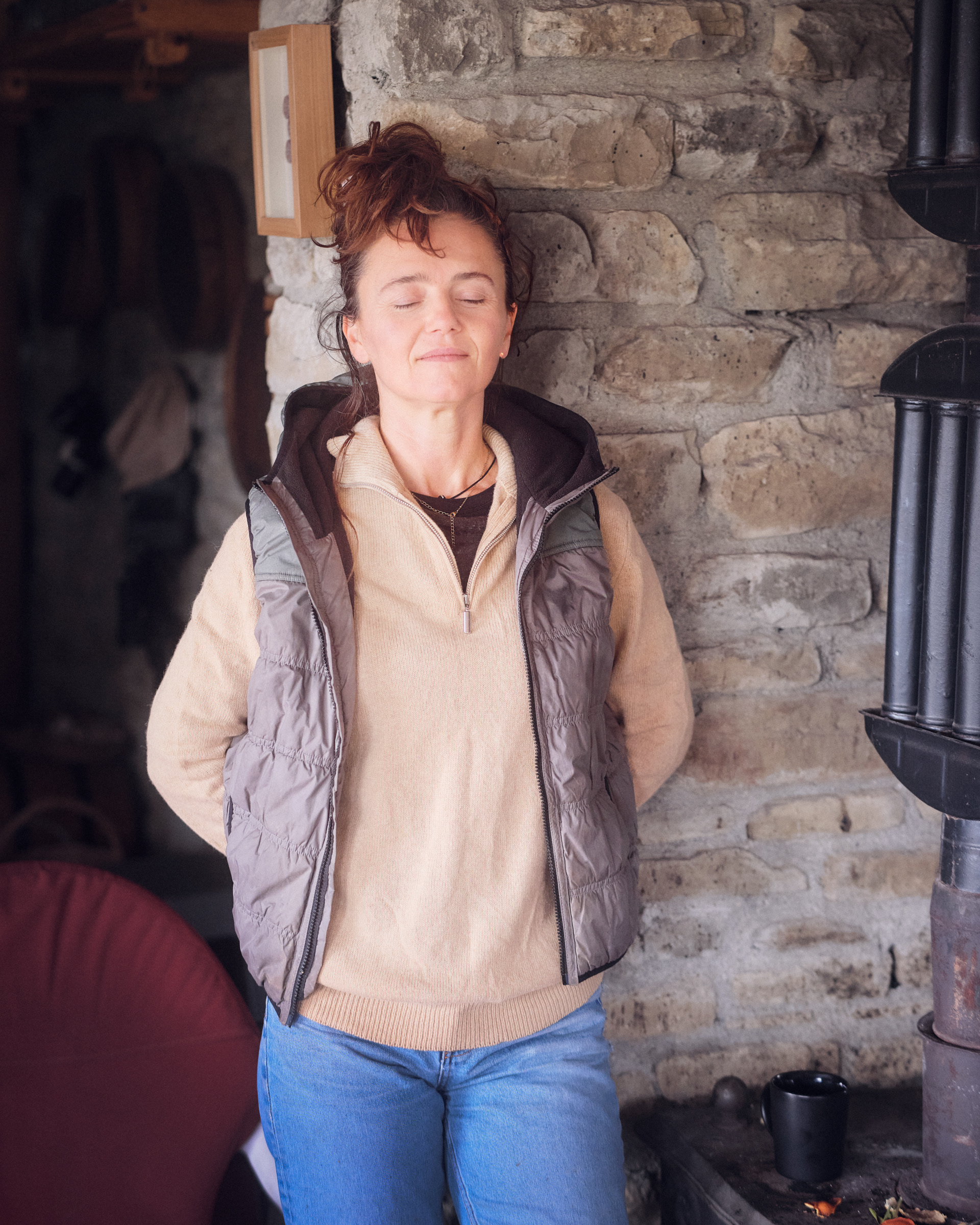
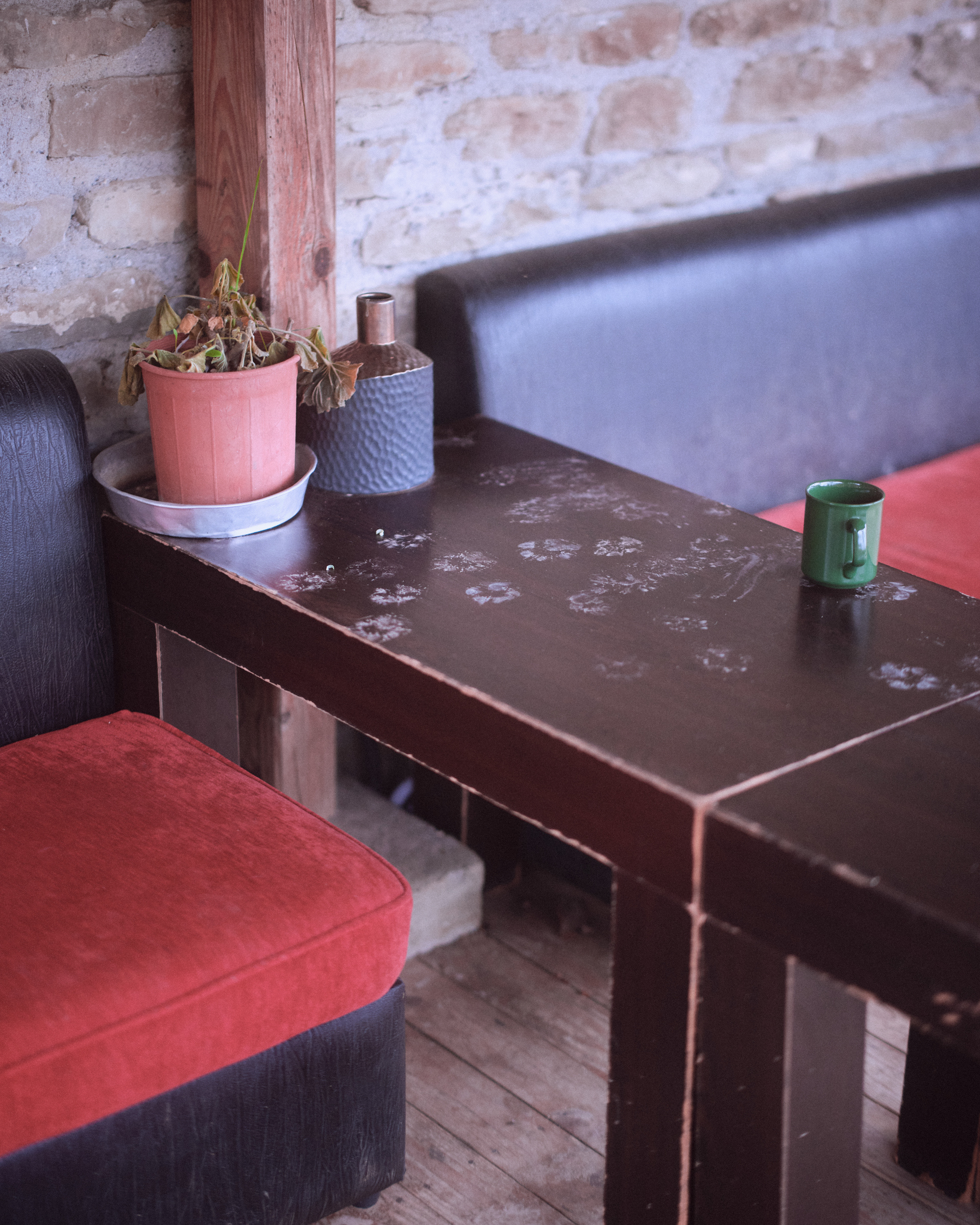
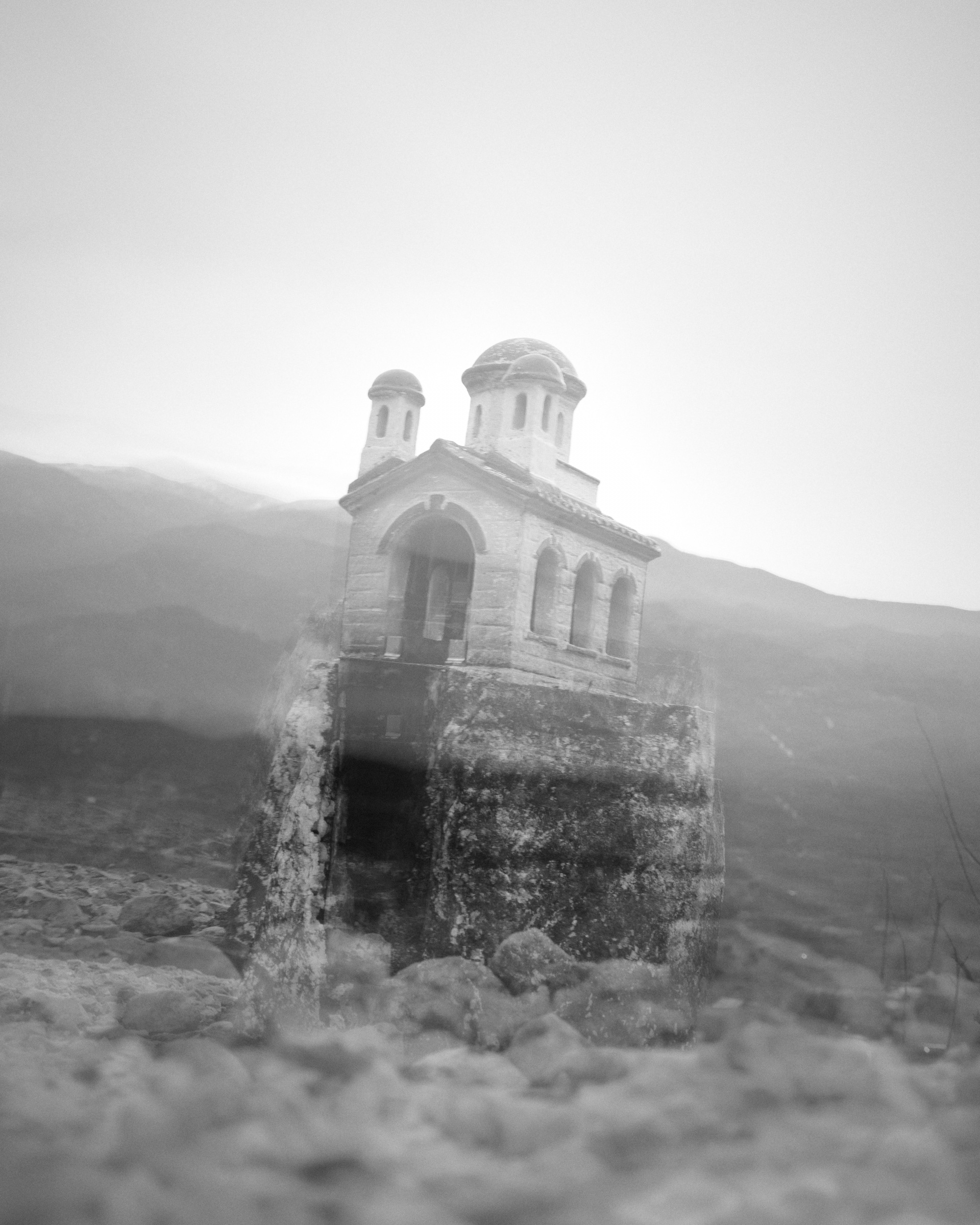
Elona sat by a glowing hearth, smoke lingering in the air. Slim, powerful, with the eyes of an old friend. Her house was long and thin, an old cowshed. Sturdy foundations made from the ruin of the buildings that came before. Carefully cut pine for joists, boards, frame and rafters. She rebuilt it with three others; it hummed with their love and attention. Racks preserving and drying perishables foraged from the land, plants occupying all appropriate space, two dogs, two cats and the nearest neighbour twenty minutes walk away. An architect by training, and, until her move from Tirana ten years ago, in practice. As we shared coffee and watched the snow drift, she spoke of the local faith: Bektashism, a Sufi sect of Islam.
Its mystical system - Wahdat al-Wujud - "Unity of Being" vibrates through the valley. I couldn't tell if the harmony I felt was due to the theology or the Vjosa’s ever-present, low-frequency drone - an oscillation that seems to synchronise everything in her presence.
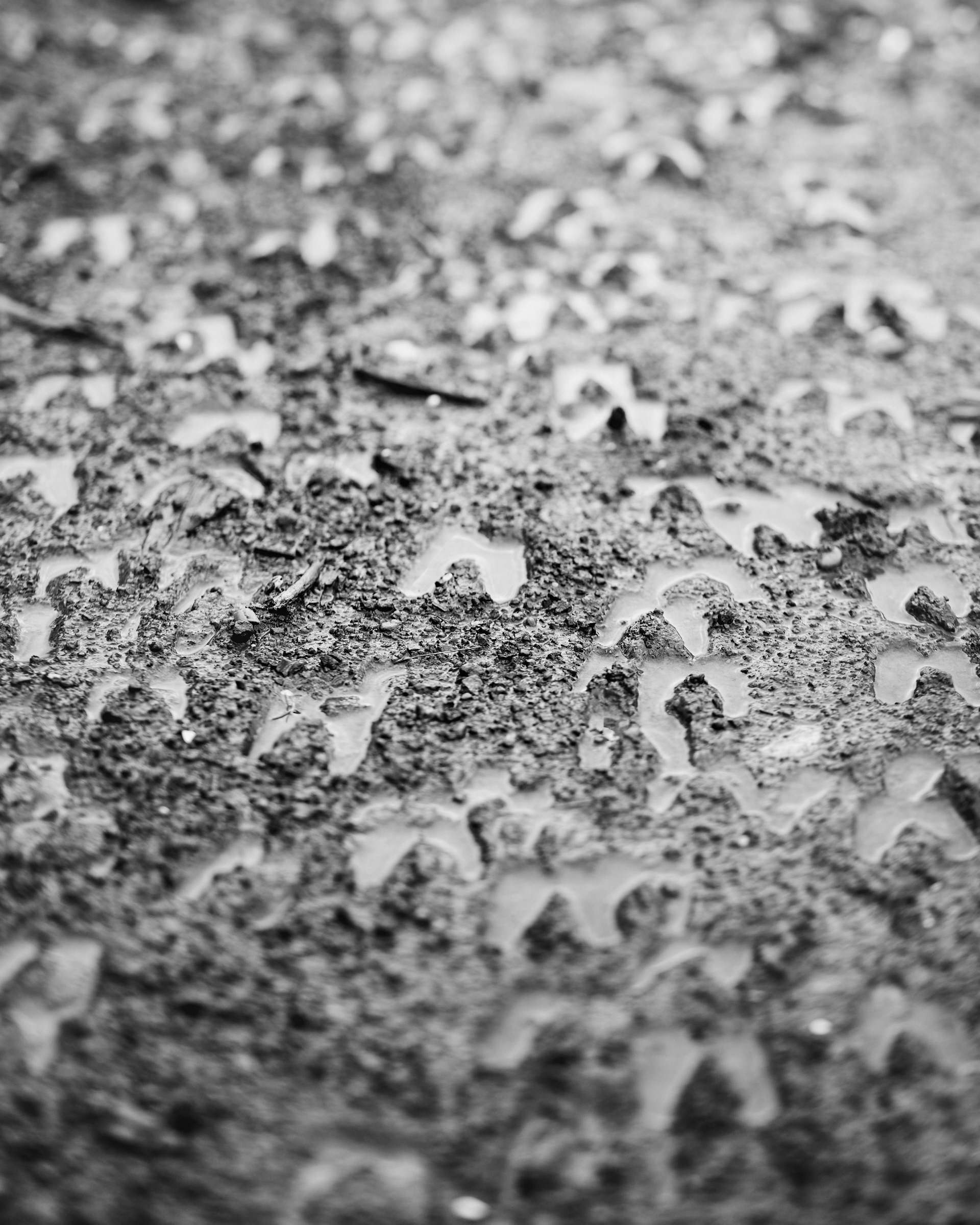
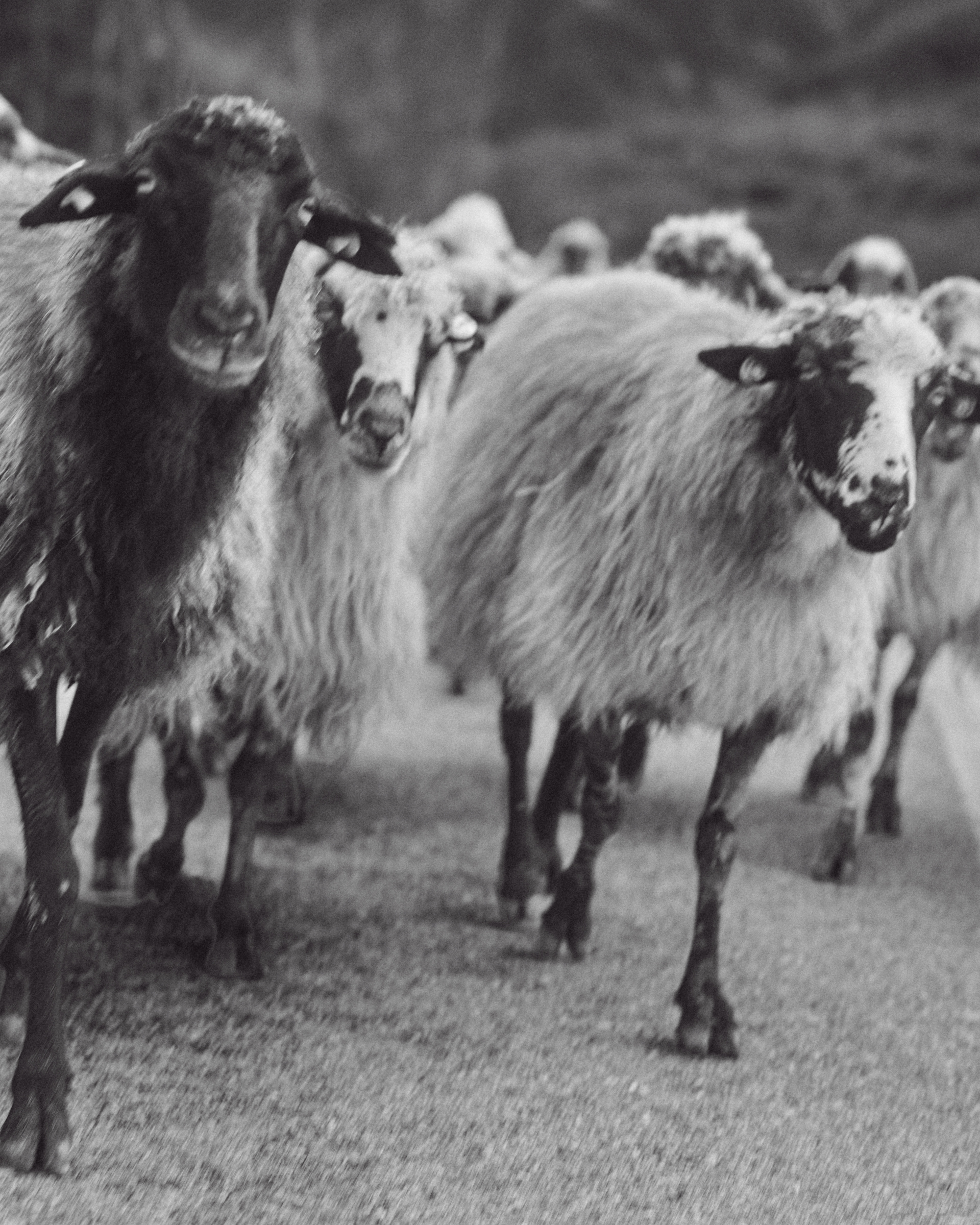
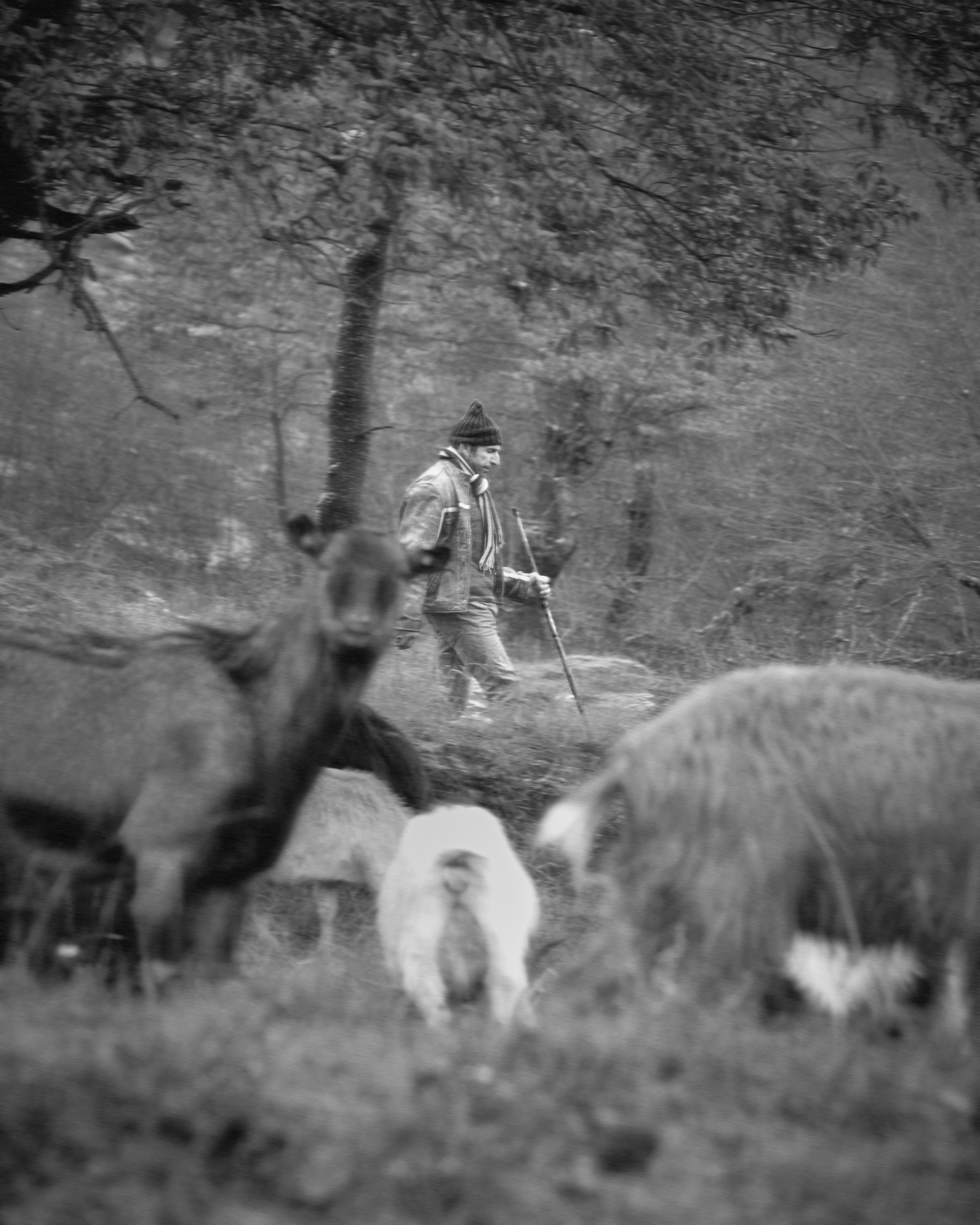
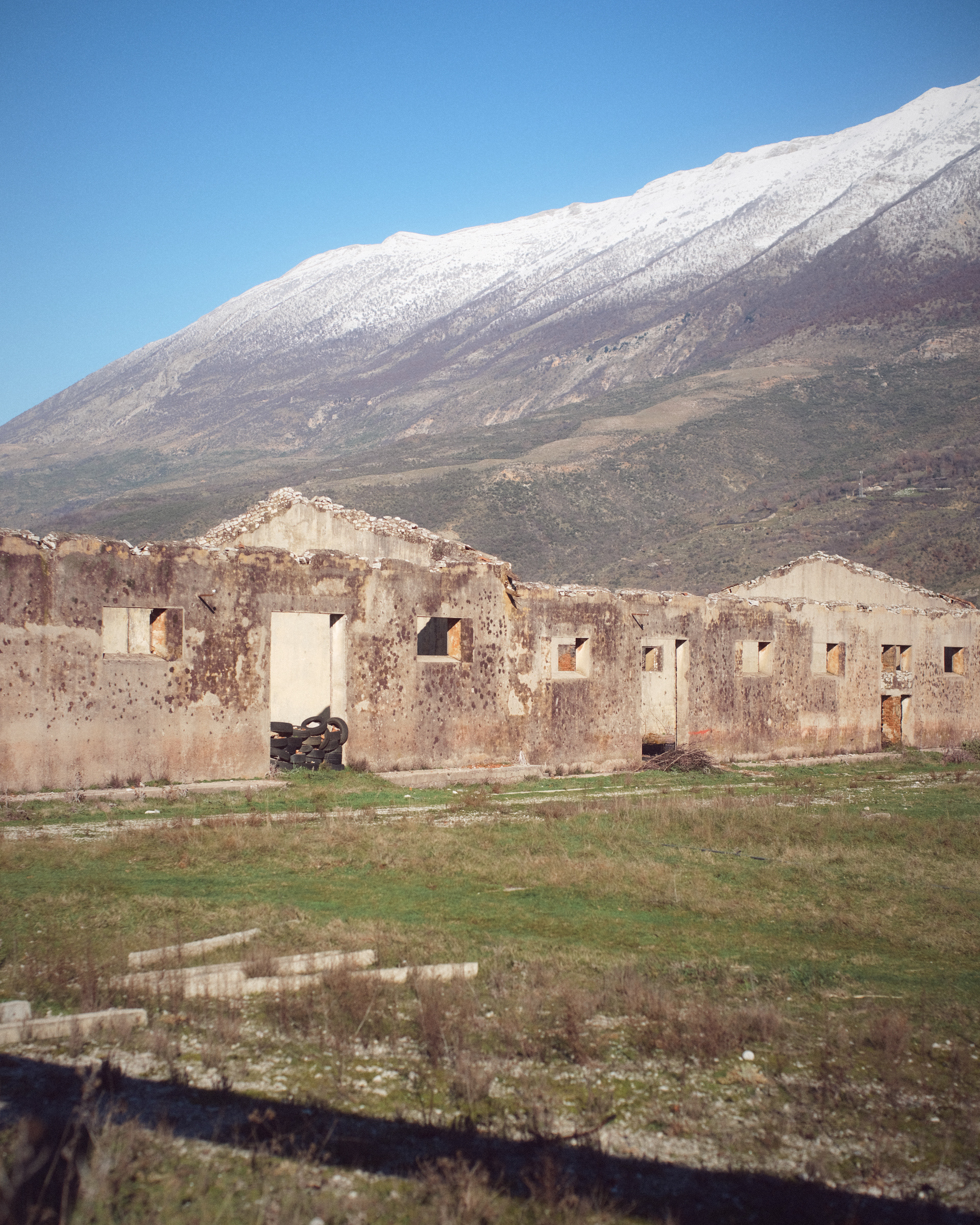
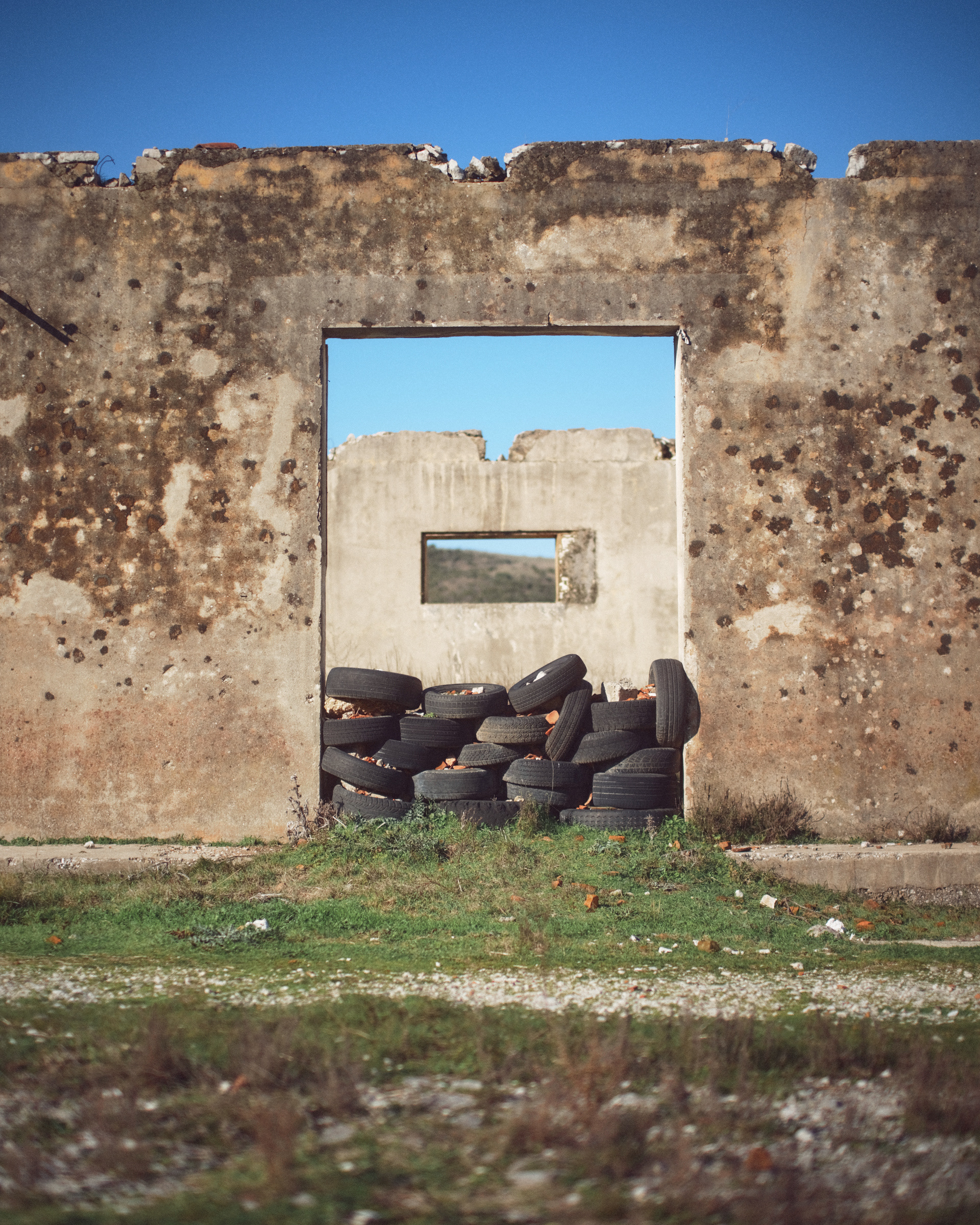
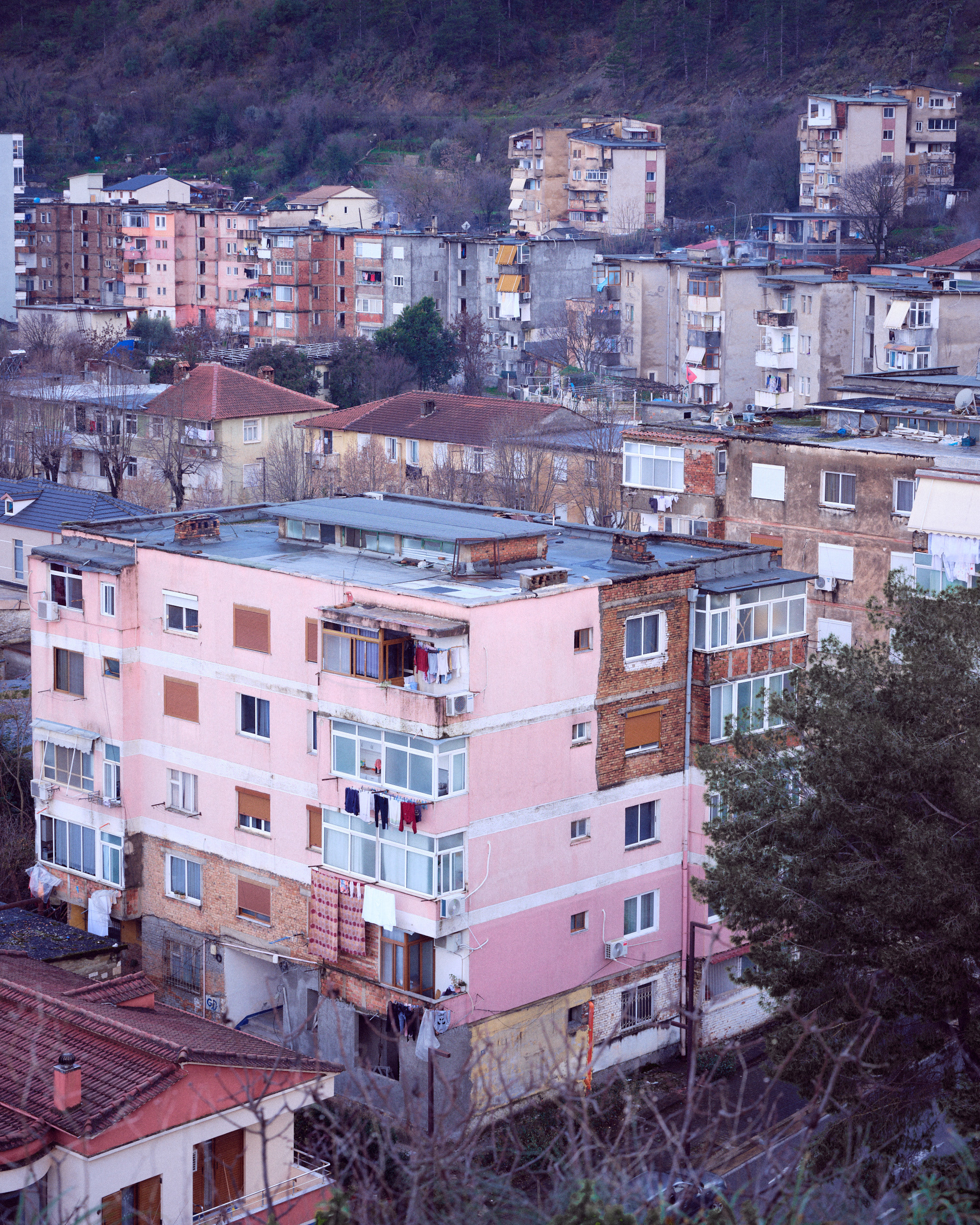
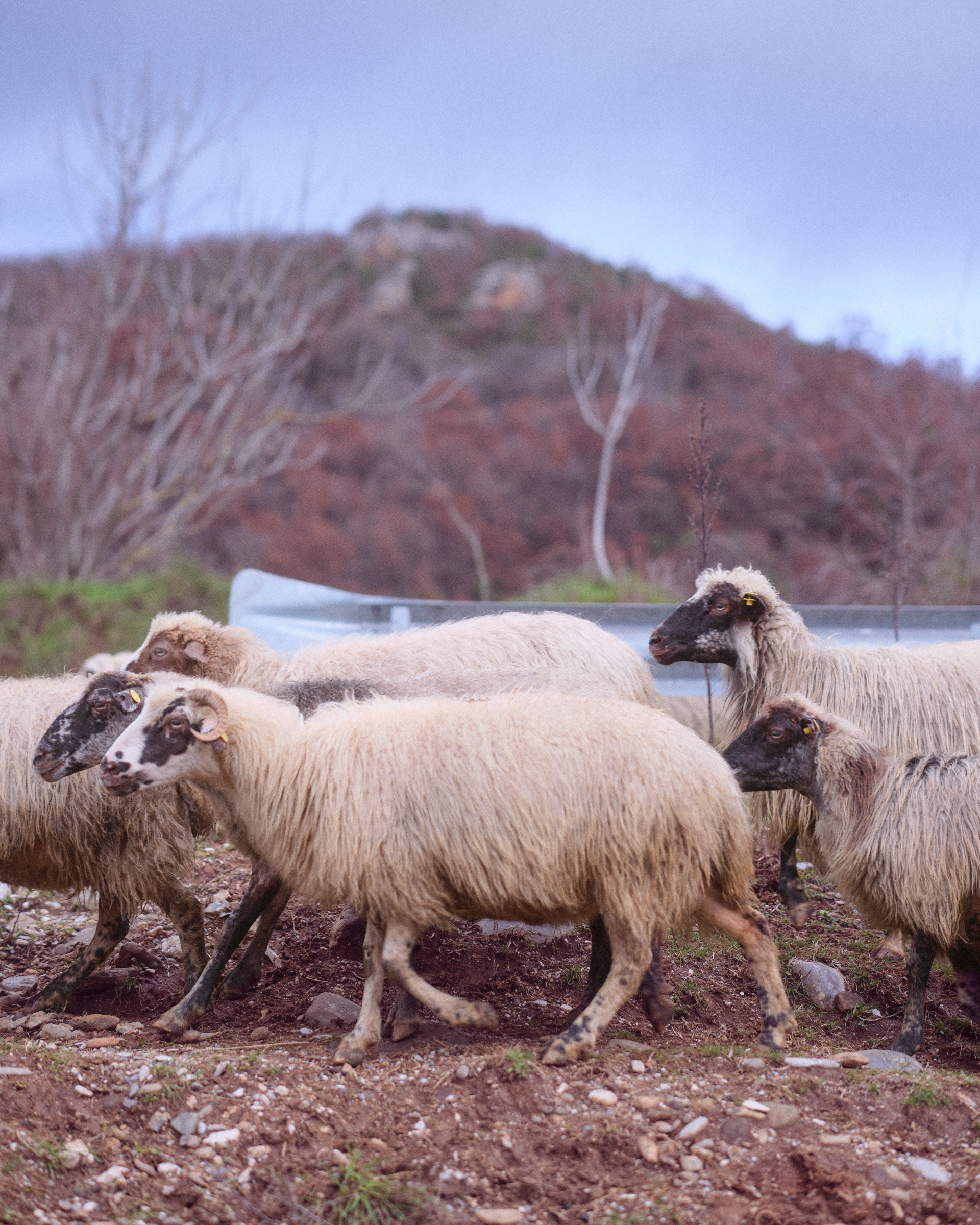
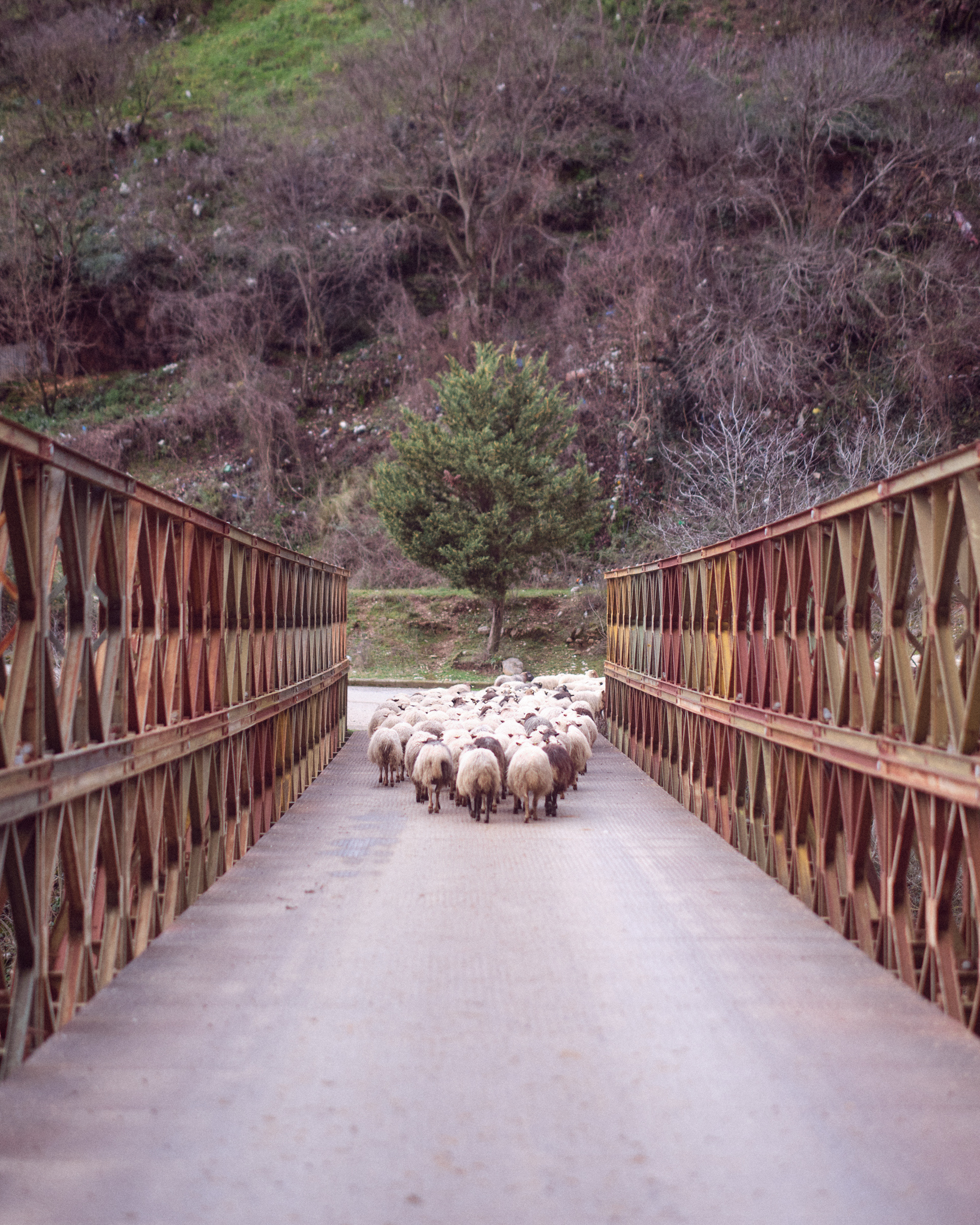
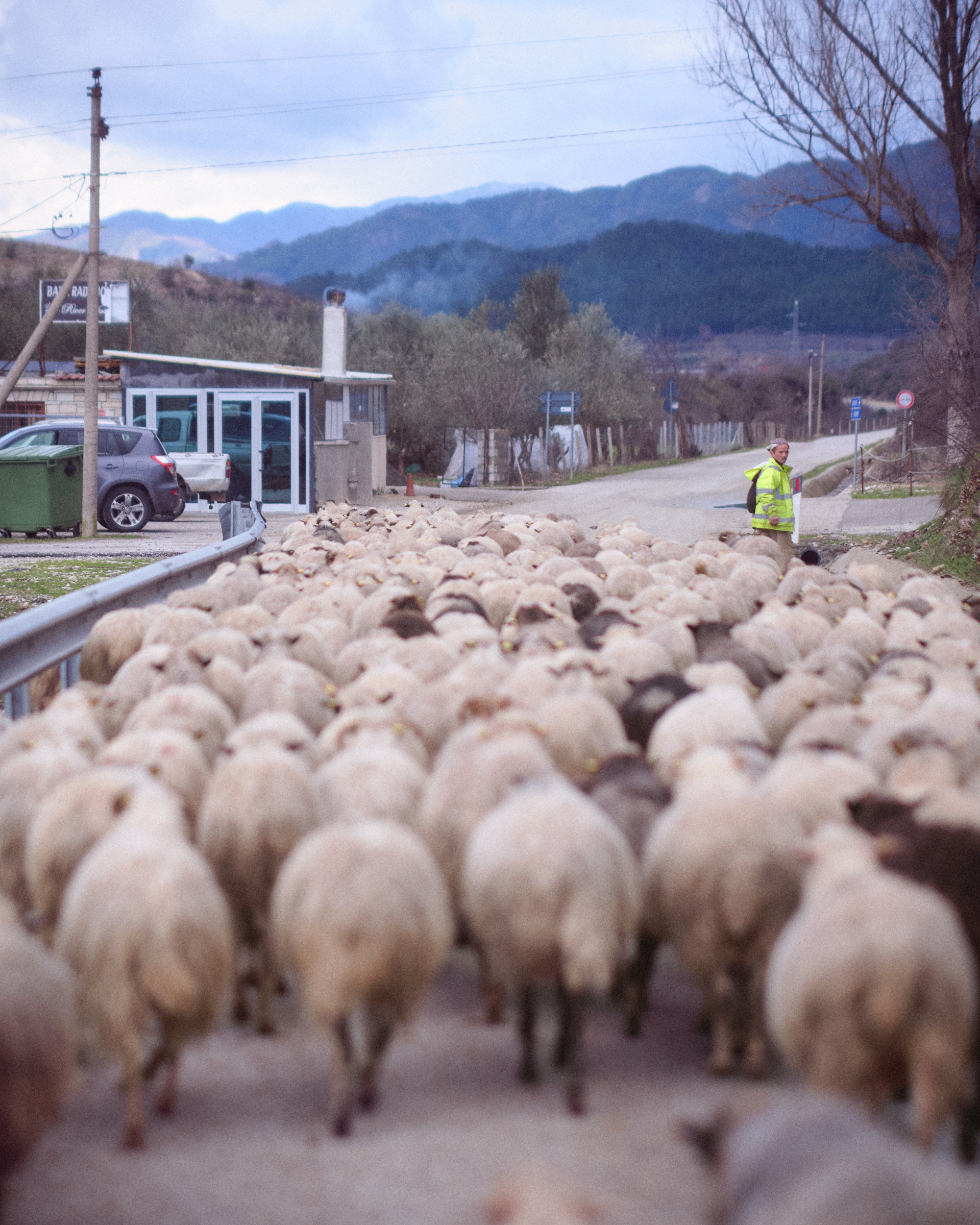
Elona didn't shy away from the scars of the land. She spoke of the lasting effects of communism - how it liberated women through the party's bid for self-sufficiency, but also left the landscape littered with pillboxes once used to trap citizens within their own borders. She spoke of internment camps where thousands died working the soil. Yet, she also spoke of the "auto-sufficient" shepherds who still follow the traditional ways, moving sheep, goats, and cows from pasture to pasture in a cycle of grazing that the park now protects.
“Connect, and let creation reveal itself in its many forms.”
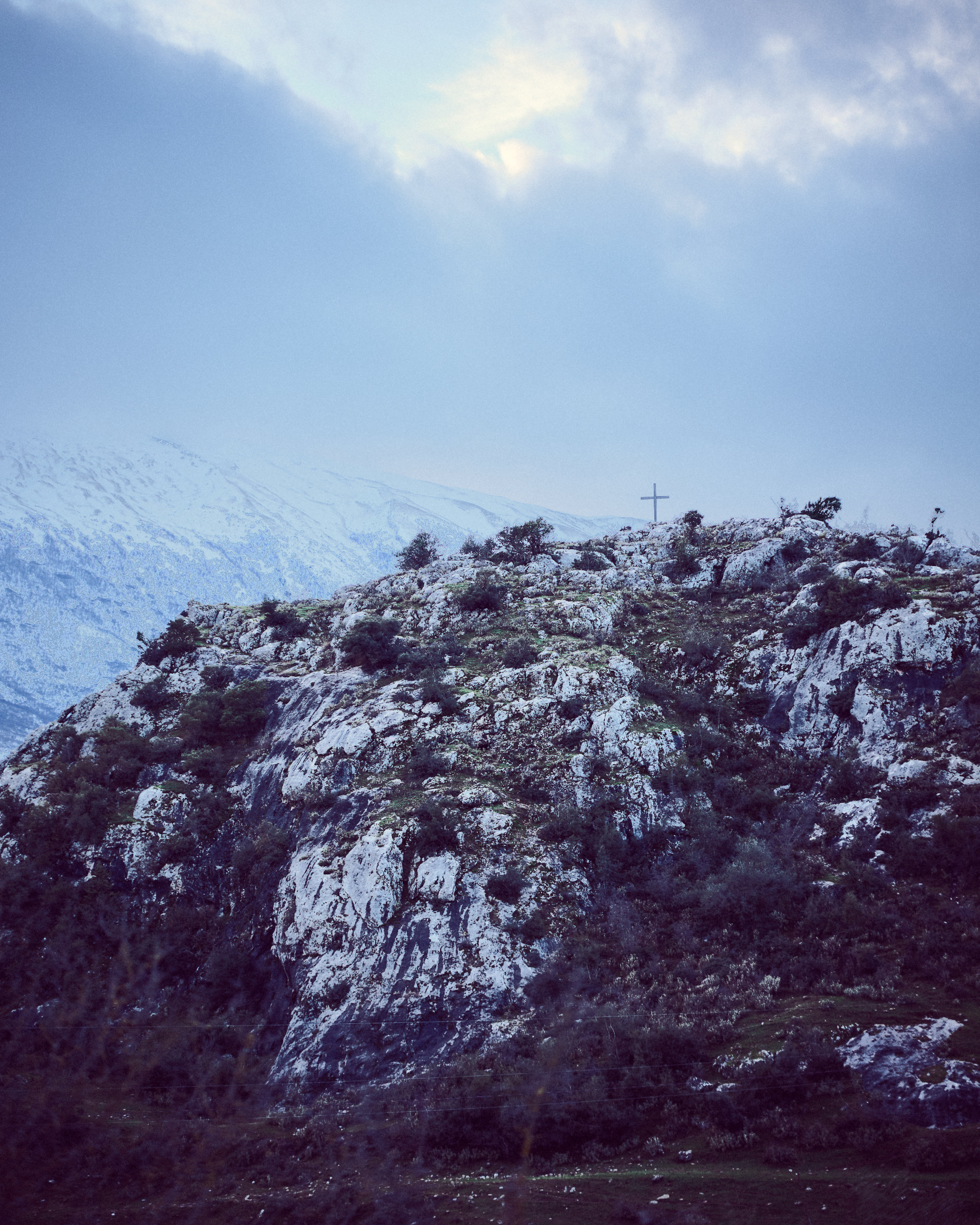
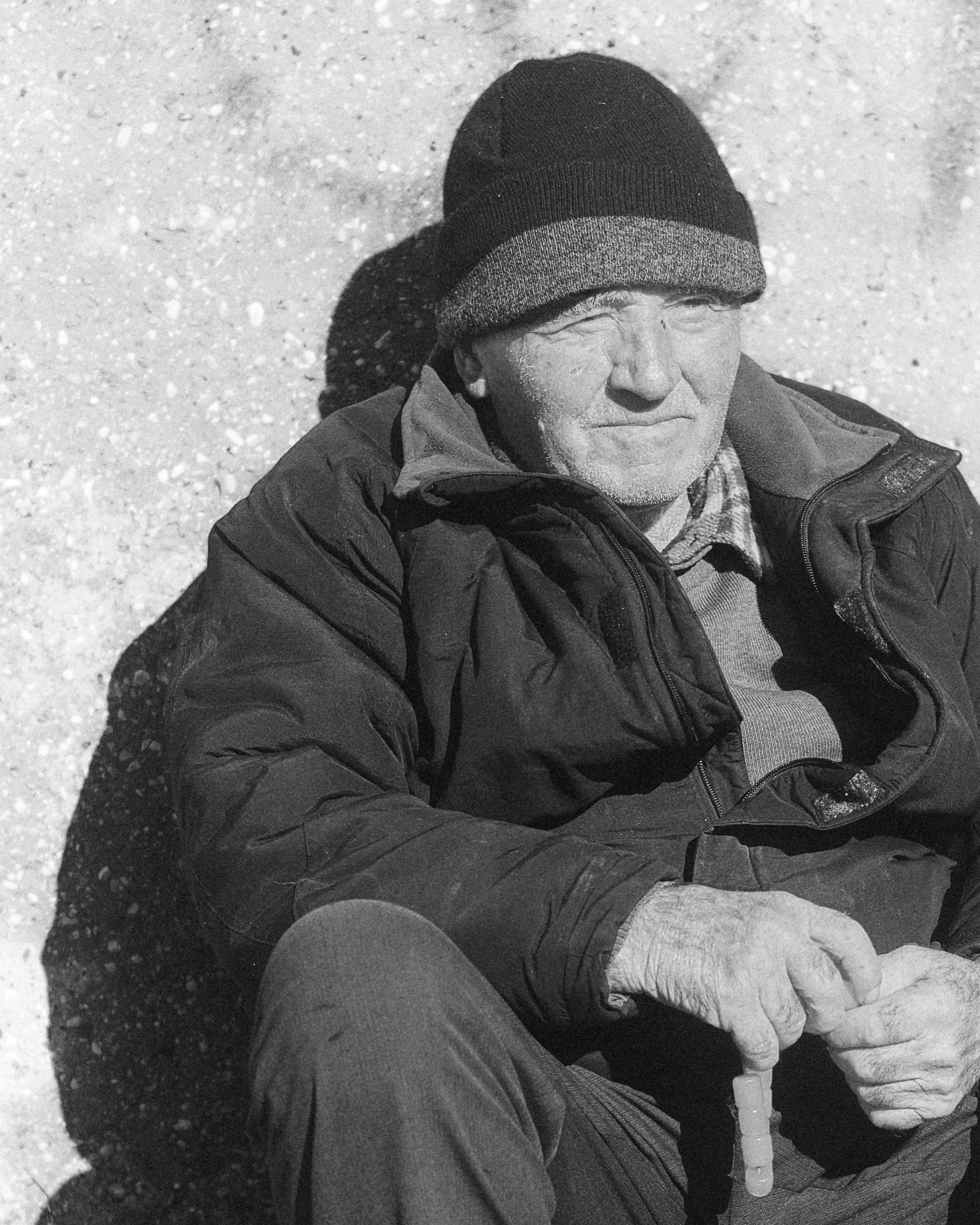
One morning, under a glass-clear sky, I hiked toward the Lengarica Canyon. Along the trail, the stones seemed to call out. One asked to be returned to the river; another to be left in peace; a third to be carried to a cairn I had built for my late father. I threw the "river-seeker" stone; it fell short of the water but seemed content by the move ever closer to it's edge. The voyager stone sparked a conversation with an elderly woman I passed, who seemed bemused yet touched by my request to take a piece of the mountain home for my father.
At the peak I felt a sudden urge to remove my shoes and connect my feet to the mountain below. As my soles met the cold earth, a sinking sensation carved a valley from the crown of my head to the core of the planet. The mountain chain was no longer a series of peaks with human names; it was a single, breathing entity. The river it’s blood - simultaneously the mountain and not, much like the water flowing through our own veins. The mountain introduced itself as Buçba.
On my final day, I spoke with a guesthouse owner’s son further up the valley. I asked how the protections had changed things three years on. “Nothing has really changed,” he said. “Restrictions on extraction and planning have made life poorer for some. Tourism brings money, but it also brings rubbish. Really, life remains the same.”
Perhaps that is the greatest victory of the park. It hasn't "developed" the river; it has allowed it to remain. The park designation prevented the destruction of an ancient way of life and its ecosystem, allowing the ancient dialogue of life to continue. The river speaks to the mountain, creates the valley, births new forms of existence. The sacred cycle continues.
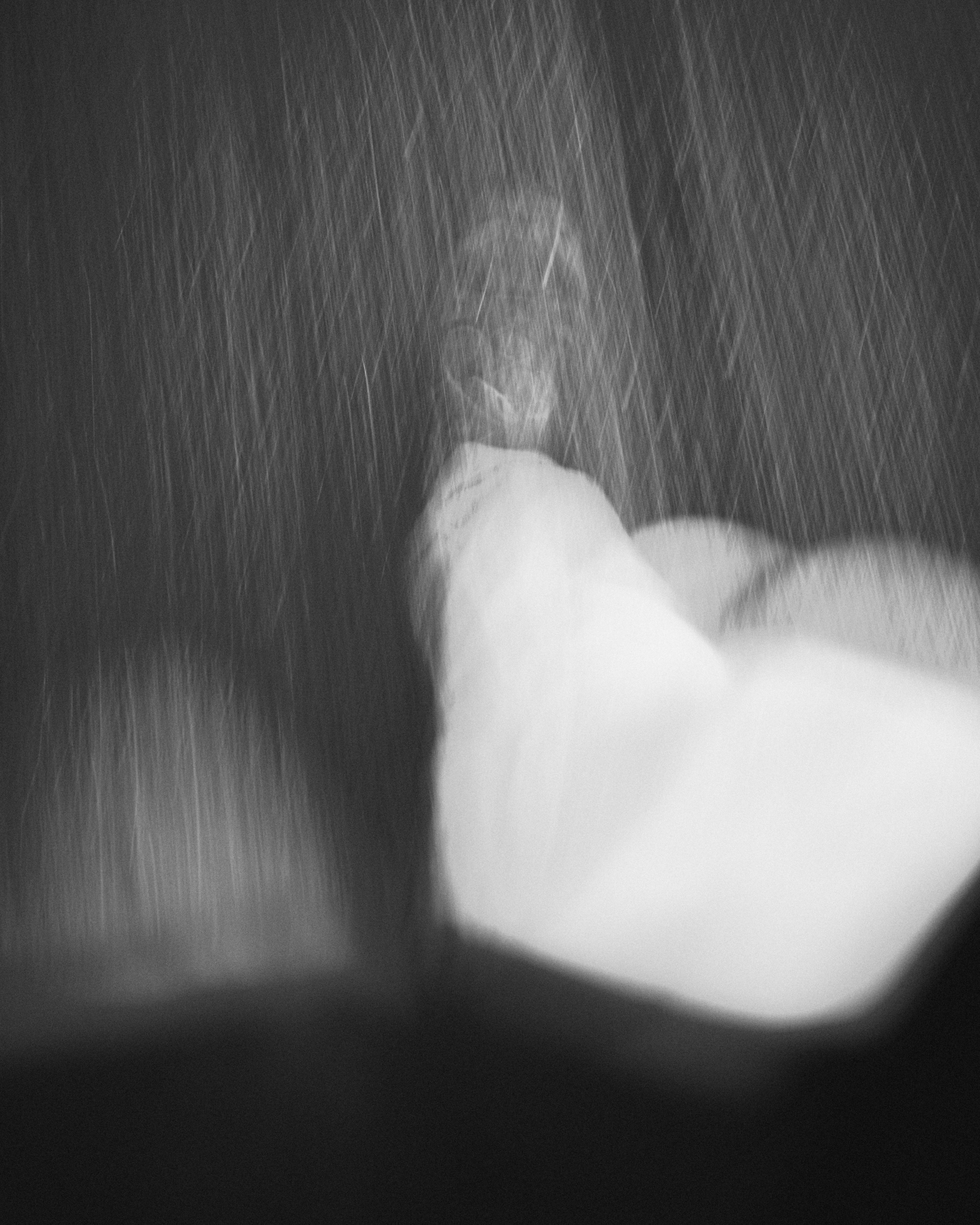
Water does what it has always done: it distorts time.
Perpetual. Stationary. Motion.